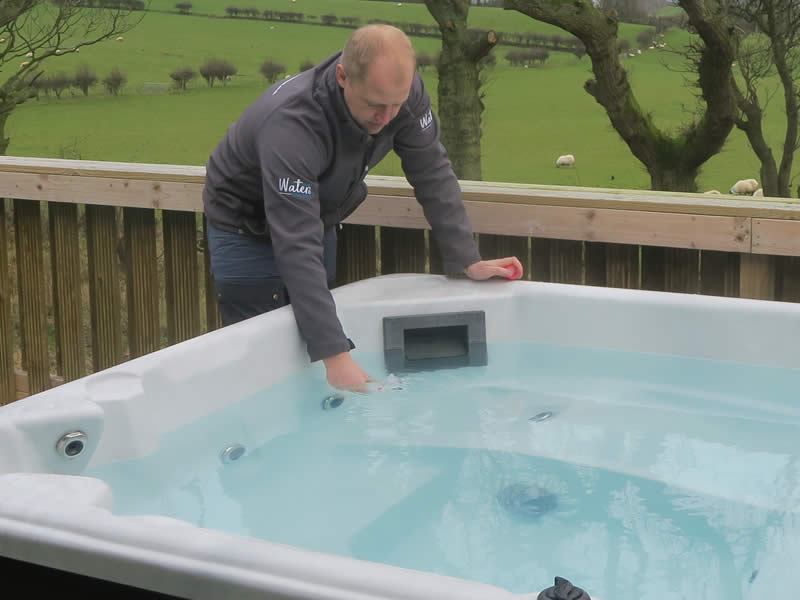
Spas & hot tubs
HSG282 clearly stipulates that owners should produce a water safety risk assessment and P.S.O.P. to identify the risks and how to manage them safely.
Based in Dumfries & Galloway and working throughout Scotland and the UK, we carry out Legionella risk assessments and water testing, with independent, impartial advice on the management, control and prevention of Legionella and other waterborne pathogens.
Does a risk exist on your site?
If any of these may be present, a risk exists:
Who needs a risk assessment?
As an employer or a person in control of the premises, you are responsible for health and safety and need to take the right precautions to reduce the risks of exposure to Legionella. You must understand them, or seek professional help.
HSG282 clearly stipulates that owners should produce a water safety risk assessment and P.S.O.P. to identify the risks and how to manage them safely.
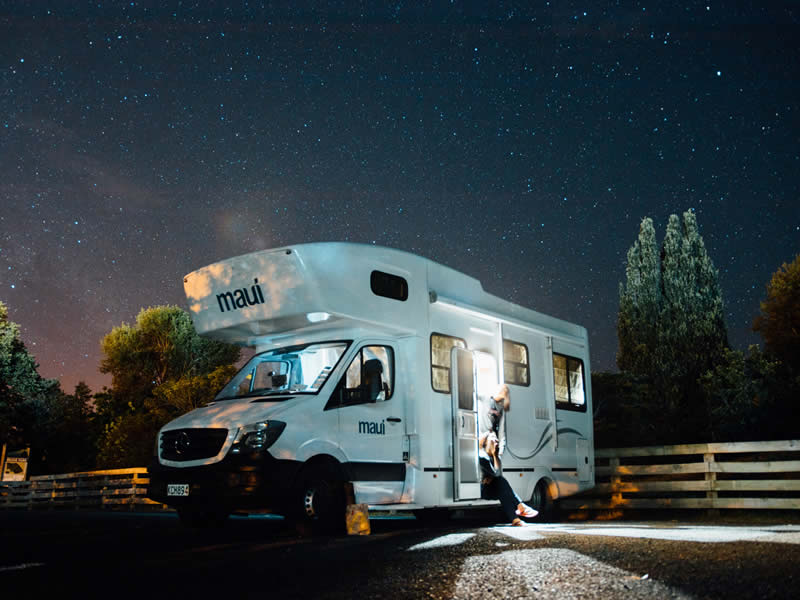
Our director has experience managing holiday parks and can offer first-hand advice on how to manage them safely and efficiently.
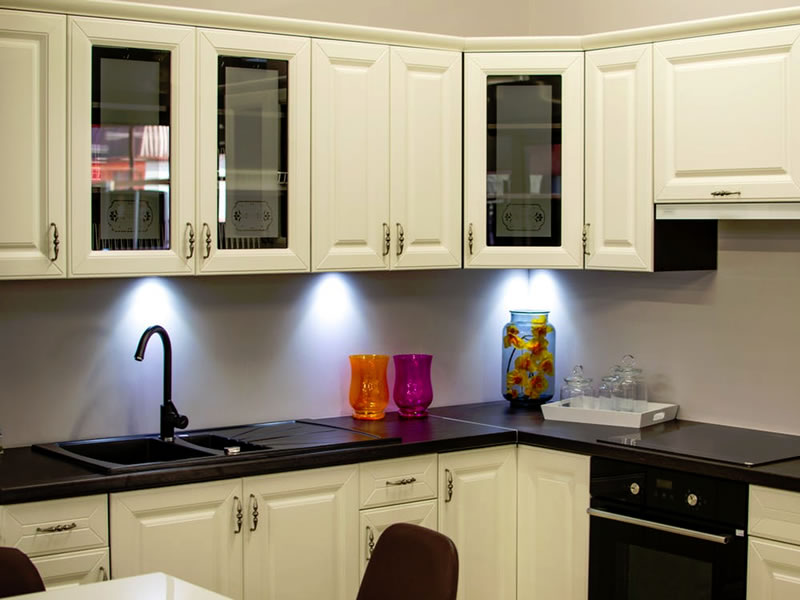
If you rent out a property, or even a room in your own home, you have legal Legionella responsibilities to keep your tenant safe from health hazards.
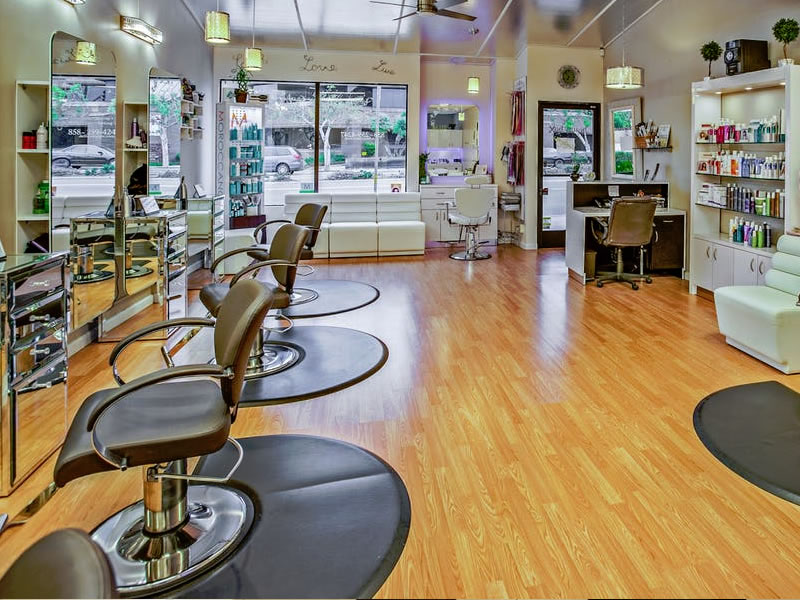
There is a reasonably foreseeable risk of Legionnaires' disease in hair salons from shower heads and temperature regulating valves (TMVs).
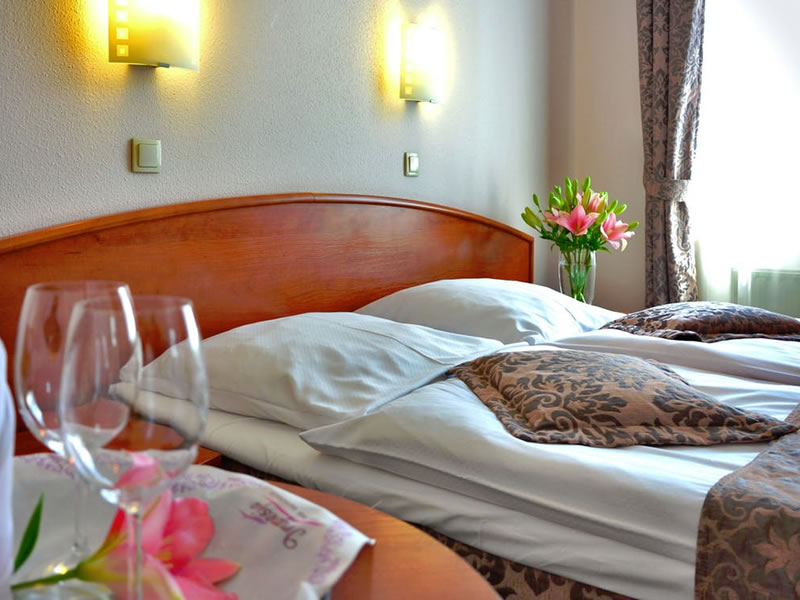
Safe water management in accommodation is well documented; poor management of the water services can quickly damage your reputation.

Shops need to manage their water supply with regular Legionella risk assessments, especially where hot or cold water is stored.
What a risk assessment looks at
Hot water stored at 60°C or more and reaching 50°C at outlets within a minute; cold below 20°C.
Water tanks and hot water cylinders on site.
Little-used outlets and dead-end pipework.
Rust, sludge, scale, organic matter and biofilms that feed bacteria.
Hot tubs, showers, pressure washers, cooling towers and fountains.
Questions we are asked
No. That is a common misconception. Legionnaires' is an airborne disease: infection is caused by breathing in contaminated water droplets, which can enter your lungs.
Legionella is the common name for Legionella pneumophila, commonly found in water courses. Legionnaires' disease is a widely publicised and potentially fatal form of pneumonia.
As an employer or a person in control of the premises, you are responsible for health and safety and need to take the right precautions to reduce the risks of exposure to Legionella. Landlords who rent out a property, or even a room in their own home, have legal Legionella responsibilities too.
Water temperatures between 20 and 45°C; water stored on site, such as tanks or hot water cylinders; stagnation from little-used outlets or dead-end pipework; and deposits that feed bacteria, such as rust, sludge, scale, organic matter and biofilms.
Because it is airborne, the bacteria can reach people away from the premises; there have even been reports of people infected 2 miles from the source. Breathable droplets can come from hot tubs, showers, pressure washers, cooling towers, water fountains and even windscreen washer spray.
Get in touch
Serving Dumfries & Galloway, Scottish Borders, Ayrshire, Cumbria, Fife, Perthshire, the Highlands. Send a message below, or call.
Tell us about your site and we will get back to you.